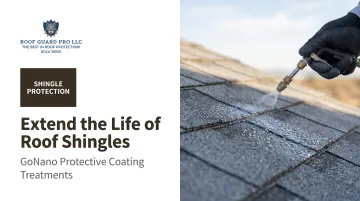
Neglect the warning signs, and you're not just risking a leak. You're staring down a re-roof that can run $10,000 to $40,000 or more, often years before it should have been necessary.
This guide breaks down why shingle longevity matters, how to spot aging shingles before they fail, and the DIY and professional strategies that can meaningfully stretch your roof's usable life.
Key Takeaways
- Clean gutters, trimmed trees, and proper attic ventilation slow shingle deterioration
- UV exposure and heat cycling drive most shingle brittleness and granule loss in desert climates
- Catching curling, cracking, or bald shingles early prevents costly full roof replacements
- GoNano Shingle Saver nanotechnology treatments add 10–15 years to a sound roof at a fraction of replacement cost
Why Extending the Life of Your Roof Shingles Matters
Replacing a roof is one of the largest unplanned expenses a homeowner ever faces. Most people don't budget for it, and it rarely happens on a convenient timeline.
That unpredictability often traces back to forces working against your shingles every day: sun and heat are the real culprits. Asphalt shingles rely on natural oils to stay flexible, and prolonged UV radiation combined with repeated heat cycling breaks those oils down, leaving shingles brittle, cracked, and shedding granules. Nationally, basic asphalt shingles last somewhere between 15 and 25 years, but that estimate assumes moderate climate conditions.
Arizona isn't moderate. Shingle lifespans here run closer to 12 to 20 years for standard asphalt shingles, with reflective architectural shingles pushing toward 25 years at best, since the sun simply works faster here.
The Real Cost of Waiting
A full asphalt re-roof in Arizona typically runs $10,000 to $40,000+, depending on square footage, pitch, and shingle type. Compare that to preventive maintenance or a rejuvenation treatment, and the math shifts dramatically in favor of catching problems early.
Beyond dollars, there's a safety angle too:
- Leaks that go unnoticed can rot decking and damage insulation
- A neglected roof drags down resale value and inspection results
- Skipping maintenance can violate manufacturer warranty terms
A well-maintained roof costs less, stays safer, and holds its value longer.
How to Tell If Your Shingles Need Attention
Catching problems early is the difference between a $300 repair and a five-figure replacement. Here's what to watch for.
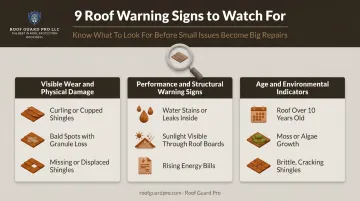
Visible Wear and Physical Damage
- Curling, cracking, or blistering shingles: a sign the asphalt has lost its flexibility
- Bald spots or granule loss: check your gutters and downspouts for gritty buildup
- Missing or lifted shingles after storms or high wind events
Performance and Structural Warning Signs
- Water stains spreading across ceilings or attic decking
- Daylight visible through attic roof boards (a serious red flag)
- Energy bills creeping upward, often tied to poor attic ventilation
Age and Environmental Indicators
- Roof is 10+ years old and has never been inspected or treated
- Moss, algae, or dark streaking forming on the surface
- Shingles feel dry, brittle, or spongy when walked on
If you're checking off more than one of these, it's worth scheduling an inspection before the next monsoon season rolls through.
Proven Ways to Extend the Life of Your Roof Shingles
Roof longevity comes from routine upkeep first, followed by professional intervention as shingles age.
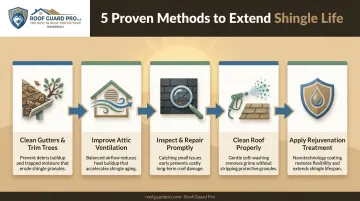
Keep Gutters Clean and Trees Trimmed
Clogged gutters cause water to back up under shingle edges, rotting decking and accelerating granule loss. Trim tree branches back at least six feet from the roofline to reduce debris buildup, shade-driven moss growth, and storm-related abrasion.
Improve Attic Ventilation and Insulation
Trapped heat and humidity cook shingles from underneath, not just from the sun above. A hot, stuffy attic is the telltale sign of poor airflow.
According to GAF's attic ventilation guidelines, homes need 1 square foot of net-free ventilation per 300 square feet of attic floor, split evenly between intake vents at the soffit and exhaust vents at the ridge. Getting this balance right can add years to shingle life.
Inspect and Repair Promptly
Schedule an annual inspection, plus a follow-up after any major storm. Fixing a handful of damaged shingles costs a fraction of what it costs to replace rotted decking after water has had months to spread underneath.
Clean the Roof the Right Way
Never pressure wash a shingle roof. It strips protective granules and can void manufacturer warranties. Industry guidance from the Asphalt Roofing Manufacturers Association recommends soft-washing or careful manual removal of moss and algae instead, ideally handled by a professional.
Apply a Professional Shingle Rejuvenation Treatment
For shingles that are structurally sound but running dry, a rejuvenation treatment can do what cleaning and ventilation alone can't: put lost oils back into the asphalt.
GoNano Shingle Saver, applied by certified applicators like Roof Guard Pro, uses nanosilica-modified asphalt technology to penetrate deep into shingle pores. Instead of sitting on top like a traditional sealant, it replenishes the natural oils that UV exposure and heat cycling have burned off.
That restores flexibility and helps granules stay locked in place, while adding a lasting layer of UV protection.
The results:
- 10–15 years of added roof life on a single application
- Backed by a 10-year GoNano manufacturer warranty
- A fraction of the cost of full replacement
- Free onsite estimates from Roof Guard Pro before any commitment
Not every roof qualifies for this treatment. Shingles that have already curled, lifted, or lost their granular structure have passed the point where oil restoration can help. That's why Roof Guard Pro runs an honest triage assessment first. If your roof qualifies, treatment is often the smarter move than the full replacement a roofing crew might recommend.
Roof Shingle Maintenance Schedule
Frequency should flex based on tree coverage, storm exposure, and how far along your roof already is.
| Task | Recommended Frequency |
|---|---|
| Gutter cleaning and visual roof check | Every 3–6 months |
| Professional inspection | Annually, or after major storms |
| Attic ventilation/insulation check | Every 1–2 years |
| Rejuvenation treatment consideration (such as GoNano Shingle Saver) | Every 8–10 years (for roofs past midlife) |
Homes in hot, sun-intensive regions like Arizona should lean toward the more frequent end of this schedule. Extra heat exposure speeds everything up.
Conclusion
How long a shingle roof lasts depends less on the installation and more on the maintenance that follows.
Catching curling, cracking, or granule loss early can delay — sometimes eliminate — the need for a costly re-roof. If a roof is still structurally sound but running dry on oils, a treatment like GoNano Shingle Saver offers a legitimate middle path. It costs far less than full replacement while restoring what those oils once provided.
Before you assume a full re-roof is your only option, get a professional assessment. Roof Guard Pro offers free onsite estimates for GoNano Shingle Saver across Mesa, Chandler, Gilbert, Scottsdale, and Tempe. Call (480) 878-2238 or email info@roofguardpro.com to find out where your roof actually stands.
Frequently Asked Questions
Does a 30-year shingle really last 30 years?
Rarely. Manufacturer ratings come from lab conditions that don't account for real-world sun exposure and climate. Most 30-year shingles realistically last 15–25 years, and less in hot climates without maintenance.
How often should I have my roof shingles inspected?
At least once a year, plus after any major storm, hail event, or high-wind occurrence. Catching damage right after a storm prevents small issues from spreading.
Is a roof rejuvenation treatment really worth it compared to full replacement?
For structurally sound roofs, yes. Treatments like GoNano Shingle Saver cost a fraction of replacement while adding 10–15 years of life, backed by a manufacturer warranty.
Will treating my shingles void my existing roof warranty?
Certified nanotechnology applications work alongside existing shingles and come with their own manufacturer warranty. Discuss your specific existing warranty terms with your applicator before scheduling.
How much money can I actually save by extending my roof's life instead of replacing it?
A full Arizona re-roof runs $10,000–$40,000+. Rejuvenation treatments and diligent maintenance cost significantly less while adding 10–15 comparable years of service.
What's the safest way to clean algae or moss off roof shingles?
Soft washing or careful manual removal by a professional. Pressure washing strips protective granules and can shorten your roof's remaining life.