That number is common across the Phoenix East Valley. Angi puts the average asphalt-shingle re-roof in Phoenix at $7,600 to $9,500 for materials alone, before tear-off, disposal, and labor push the total higher.
Many homeowners hear "roof restoration" and assume it's a stopgap, or worse, a sales tactic. But for roofs that are still structurally sound, restoration is a legitimate alternative worth understanding.
This article breaks down the real cost, lifespan, and value outcomes of roof restoration in Arizona. Not marketing claims.
TL;DR
- Restoration adds 10–15 years of roof life for a fraction of replacement cost.
- Protects curb appeal and structural integrity without hurting resale or insurance value.
- Not every roof qualifies. Severe rot, curling, or missing decking means replacement is the right call.
- A certified, warranty-backed applicator makes this a real investment, not a patch job.
What Is Roof Restoration?
Roof restoration is a professional process that cleans, repairs, and re-treats an existing shingle roof instead of tearing it off and rebuilding the whole system.
It's typically applied to asphalt shingle roofs that are:
- 10+ years old
- Still structurally sound (no rot, no failed decking)
- Showing UV damage, brittleness, or granule loss
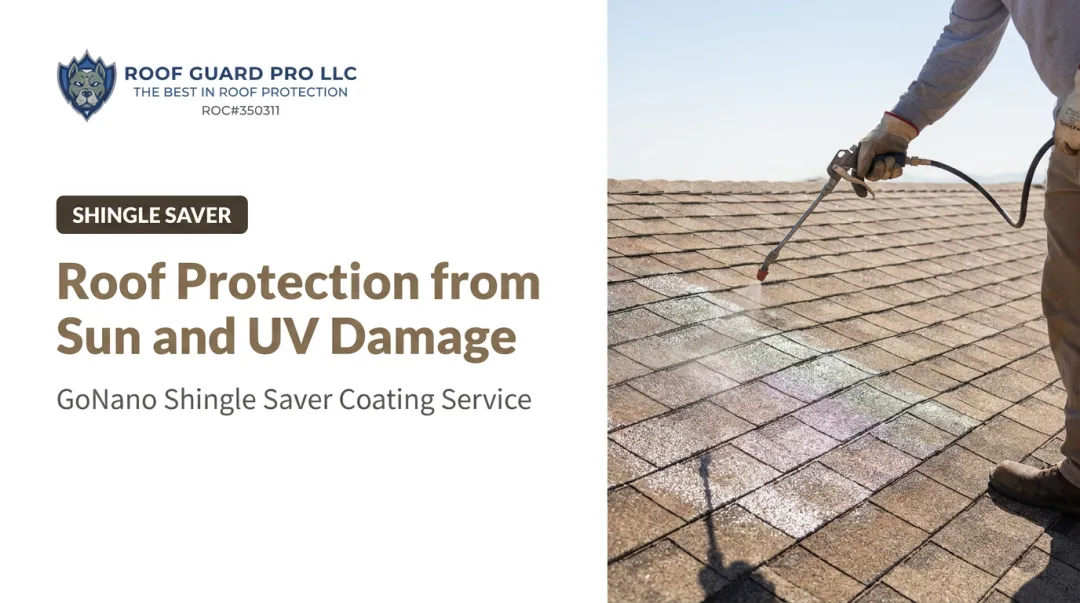
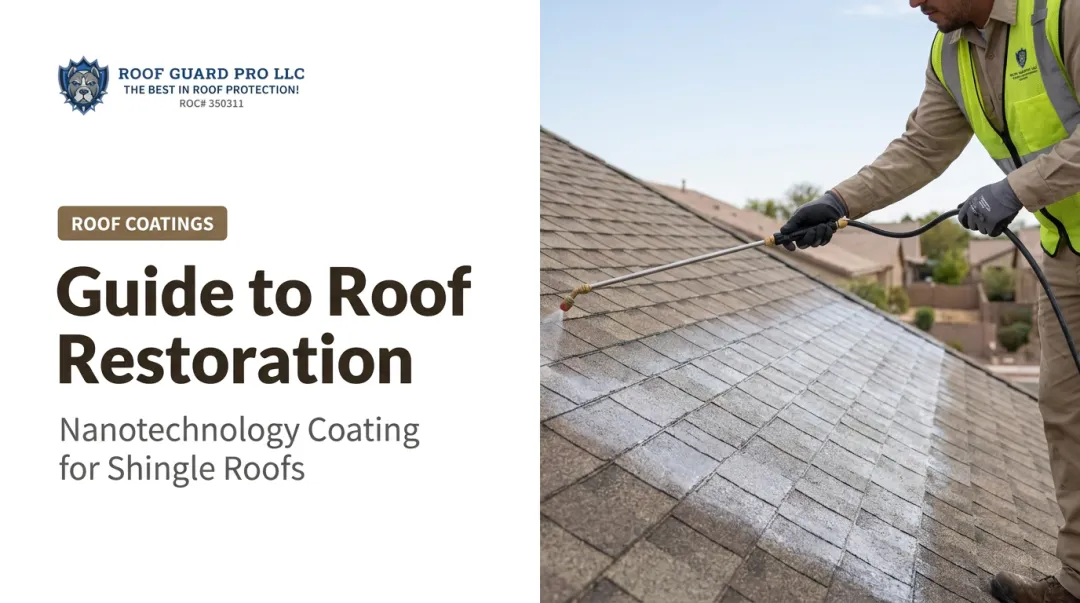
Roof Guard Pro's GoNano Shingle Saver falls squarely into this category. It uses nanosilica-modified asphalt particles, smaller than traditional silicone or acrylic sealants, that penetrate deep into shingle pores instead of just sitting on the surface.
That penetration is what allows it to restore the natural oils shingles lose over time.
Restoration maximizes the useful life of the roof you already have, helping you avoid spending tens of thousands to replace something that still has years left in it.
Key Advantages of Roof Restoration
These advantages aren't abstract. They're measured in dollars saved, years of life added, and risk avoided, the same metrics homeowners and property managers already track when weighing "replace now" against "restore and defer."
Significant Cost Savings vs. Full Roof Replacement
Restoration treats the shingles you already have. It skips the tear-off, disposal fees, decking inspection, and full material rebuild that make replacement expensive.
In Arizona, that gap is substantial:
- A full re-roof commonly runs $10,000 to $40,000+, depending on size and material.
- Restoration treatments run a fraction of that outlay, since there's no demolition or full material replacement involved.
- Industry rejuvenation treatments typically run $3,000 to $6,000, versus $20,000 to $30,000 for full replacement of a comparable roof.
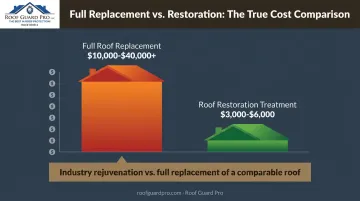
Why this matters: lower upfront cost frees up capital for other priorities, while still addressing the roof's actual health. Homeowners who assume replacement is the only path often overspend on a roof that had years of life left.
KPIs this affects:
- Out-of-pocket spend
- Cost-per-year of roof life
- Capital budget flexibility for HOAs and property managers
This advantage hits hardest when a roof is 10 to 20 years old, structurally sound, but visibly worn from sun exposure. Replacing it early wastes the usable life still sitting on your deck.
Extends the Life of Your Roof by 10–15 Years
Shingles lose natural oils over years of UV and heat exposure. That's what makes them brittle, cracked, and prone to shedding granules, the small stone particles that shield the asphalt underneath from sun damage.
GoNano Shingle Saver replenishes those lost oils and adds a permanent layer of UV protection, restoring flexibility that dried-out shingles no longer have.
The science behind this isn't hypothetical. A 2025 Iowa State University study tested soybean-oil emulsions on shingles 15-plus years old and found that a lighter treatment concentration restored aged-shingle ductility and hail resistance. The researchers noted that field validation under real UV and freeze-thaw conditions is still needed.
Separately, Ohio State testing on 17-year-old shingles found treated samples displaced 46% less granule weight than untreated ones in weathering tests.
Flexible, protected shingles resist cracking and wind damage far better than brittle ones. That translates directly into fewer emergency repair calls when Arizona's monsoon season rolls through.
KPIs this affects:
- Roof lifespan, measured in years
- Leak and repair call frequency
- Storm damage resistance
- Warranty coverage duration
This matters most for roofs past the halfway point of their expected lifespan, particularly in a climate with Arizona's UV intensity, where shingles age faster than in milder regions.
Preserves Curb Appeal, Home Value, and Reduces Environmental Waste
A faded, stained roof drags down a home's entire exterior. It spans more visible square footage than almost any other feature on the property.
Restoration cleans and revitalizes shingle appearance without the artificial, glossy look of paint-on sealers. GoNano's nanotechnology approach preserves the natural finish instead of masking it under a coating layer.
A well-maintained roof supports resale value more directly than most owners realize. The National Association of Realtors' 2022 Remodeling Impact Report found that new roofing recovers 100% of its cost at resale on average, with a 9.2 out of 10 joy score among homeowners.
That figure measures full replacement, but it underscores how much weight buyers and inspectors place on roof condition.
There's also a waste-reduction angle:
- The roofing industry generates an estimated 7 to 10 million tons of shingle tear-off waste annually in the U.S.
- Restoration keeps existing material in place instead of adding to that landfill stream.
KPIs this affects:
- Resale value and buyer perception
- Inspection outcomes
- Landfill waste reduction
- HOA aesthetic compliance
This advantage carries the most weight when you're selling soon, meeting HOA appearance standards, or managing rental properties where curb appeal drives occupancy.
What Happens When Roof Restoration Is Ignored or Skipped
Skipping restoration on an aging-but-salvageable roof follows a fairly predictable path.
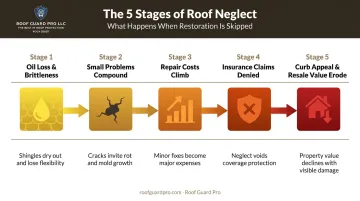
- Oil loss and brittleness continue unchecked, eventually forcing a full replacement instead of a lower-cost intervention that would have worked earlier.
- Small problems compound. A cracked shingle or minor leak becomes deck rot, mold, or interior water damage over a few seasons.
- Repair costs climb as issues get addressed reactively instead of prevented proactively.
- Insurance claims get denied. Insurers distinguish between storm damage and pre-existing neglect. Per the Triple-I's homeowner roof guidance, roofs over 20 years old often need inspection before insurers extend full replacement-cost coverage.
- Curb appeal and resale value erode gradually, often costing more in the long run than the restoration would have.
A later hailstorm doesn't retroactively cover years of neglected wear. Adjusters are trained to spot the difference, and a visibly deteriorated roof gives them grounds to reject it.
How to Get the Most Value from Roof Restoration
Timing determines whether restoration pays off. The best return comes from treating a roof before shingles turn brittle or damage becomes irreversible, not after.
A few things separate a lasting investment from a wasted one:
- Choose a licensed applicator. In Arizona, that means an ROC-licensed contractor, not a generic paint-and-seal crew working without accountability.
- Confirm the warranty backing. Roof Guard Pro applies GoNano Shingle Saver with a 10-year manufacturer warranty included, no extra charge.
- Start with a free onsite inspection. It confirms whether your roof qualifies before you pay for anything. Curled or granule-stripped shingles usually mean replacement is the smarter call.
- Schedule periodic reinspection. Catching new wear early keeps small issues from becoming expensive ones.
That same inspection-first honesty carries through the entire process. Roof Guard Pro's approach is what it calls honest triage: if a roof doesn't qualify for restoration, that gets communicated upfront rather than applying a coating that won't hold up. It's a different model from contractors who'll coat a failing roof and collect the check anyway.
Conclusion
Roof restoration delivers real, measurable value: cost control, extended usable life, and reduced risk. These benefits compound when the timing is right.
A roof restored at the right moment can defer a $10,000 to $40,000+ replacement for over a decade. That's not a marginal difference. It translates to a decade of budget flexibility for a homeowner, or an HOA managing dozens of roofs at once.
If you're in Mesa, Chandler, Gilbert, Scottsdale, Tempe, or anywhere else in the Phoenix East Valley and staring down a replacement quote, get a free onsite estimate from Roof Guard Pro first. Call (480) 878-2238 or email info@roofguardpro.com to find out if GoNano Shingle Saver can save your roof instead of replacing it.
Frequently Asked Questions
Do roof restorations really work?
Yes, when applied to a structurally sound roof. Treatments like GoNano Shingle Saver replenish lost oils and restore UV protection, backed by a 10-year manufacturer warranty.
Is $30,000 too much for a roof?
That figure sits within typical Arizona full-replacement ranges depending on size and complexity. If your existing shingles are still structurally sound, restoration can achieve similar longevity for a fraction of that cost.
How long do roof restorations last?
Most restorations extend a roof's usable life by 10 to 15 years. GoNano Shingle Saver is backed by a 10-year manufacturer warranty.
Is roof restoration cheaper than a full roof replacement?
Yes, restoration is almost always far less expensive. Restoration works with your existing shingles rather than removing and rebuilding the entire roof system.
Can any roof be restored, or does it need to meet certain conditions?
Not every roof qualifies. Restoration works best on shingles that are structurally intact but showing UV wear or brittleness. Roofs with severe rot, missing decking, or curled and lifted shingles typically need full replacement.
What's the difference between roof restoration and a simple roof repair?
A repair fixes one isolated problem, like a leak or a few damaged shingles. Restoration treats the entire roof system to renew flexibility, address minor wear, and extend the roof's overall lifespan.