That assumption costs people thousands of dollars they didn't need to spend.
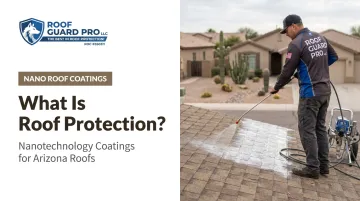
Arizona's climate is brutal on shingles. Intense sun, triple-digit heat, and violent monsoon storms accelerate wear far faster than in milder states. But an aging roof isn't automatically a failing roof — and roof protection is the option most homeowners never hear about.
This guide breaks down what roof protection actually is, the different types available, when it makes sense, and how it can delay or even eliminate the need for a costly re-roof.
Key Takeaways
- Roof protection blends built-in construction with applied treatments to block UV, water, wind, and heat.
- Underlayment and flashing work alongside surface coatings and nanotechnology treatments.
- Professional treatments extend a sound roof's life at a fraction of replacement cost.
- Granule loss, curling, and brittle shingles are signals worth investigating
- Many aging roofs can be saved rather than replaced
What Is Roof Protection?
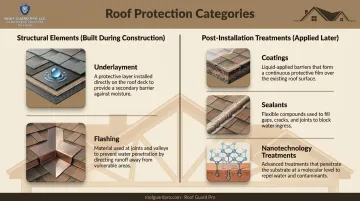
Roof protection is any material, coating, or system applied to a roof, either during construction or years later, to defend it against environmental damage. That includes UV exposure, water intrusion, wind, and hail.
It falls into two broad categories:
- Structural elements installed during the original build, such as underlayment and flashing
- Post-installation treatments applied later, including coatings, sealants, and nanotechnology products
Why Shingles Break Down in the First Place
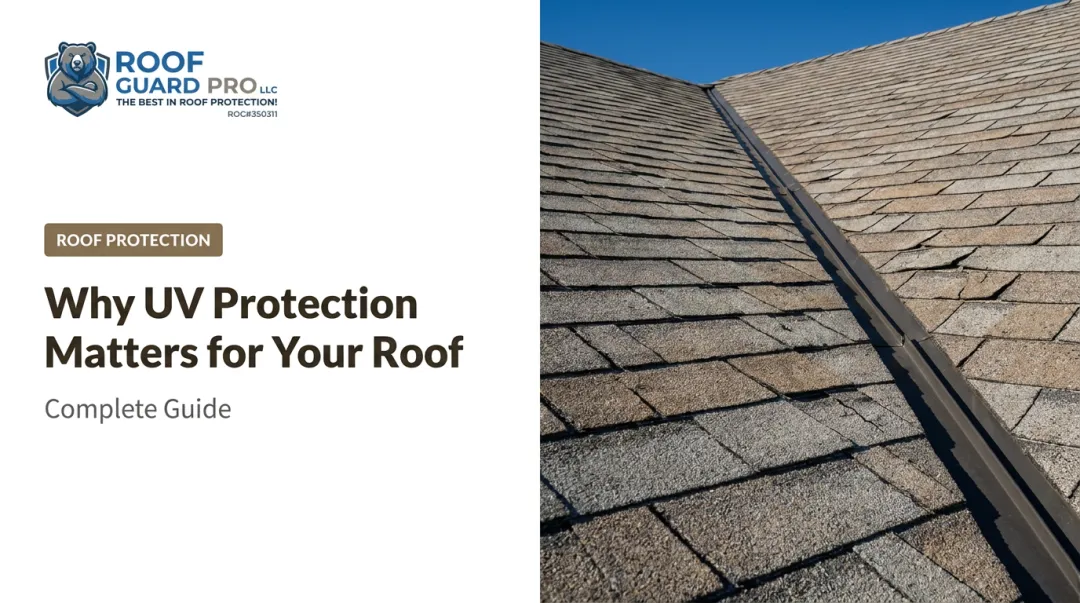
Asphalt shingles don't fail overnight. Laboratory research from the National Institute of Standards and Technology found that combined UV exposure, heat, and humidity cause measurable discoloration and change the mechanical and chemical properties of shingle material over time.
In plain terms: sun and heat don't just fade shingles. They alter the material itself, making it less flexible and more prone to cracking.
Protection Is Not the Same as Repair or Replacement
Knowing how shingles degrade also clarifies where protection fits among your options.
- Protection is proactive. You apply it before serious damage sets in.
- Repair fixes something that's already broken, like a leak or missing shingle.
- Replacement is the full removal and reinstallation of the roofing system.
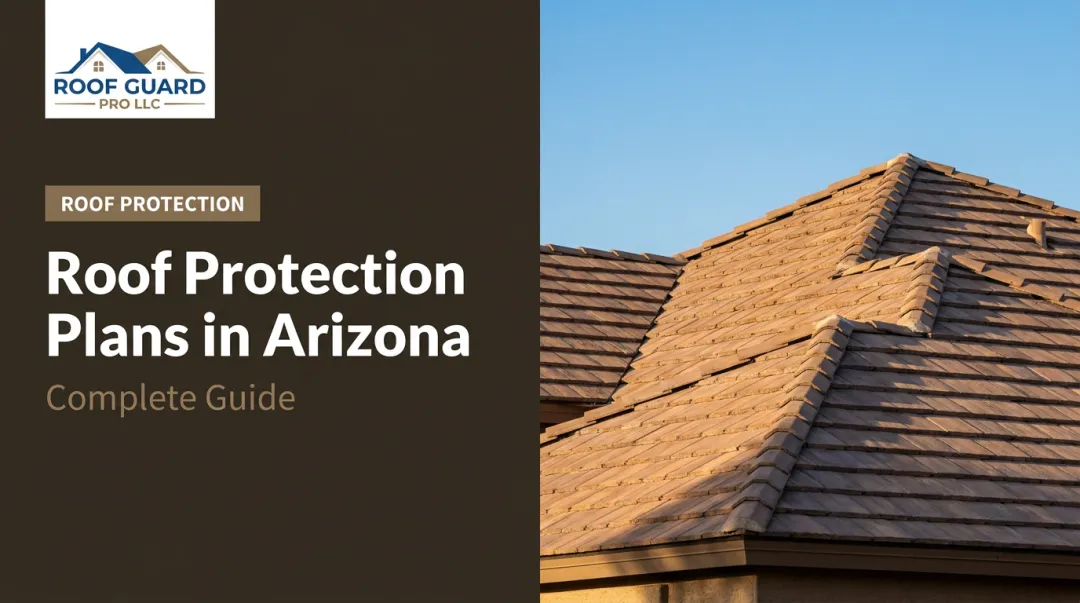
That distinction matters most in a climate like Arizona's, where proactive protection pays off fastest. Phoenix summers push roof surface temperatures well above the surrounding air, and that heat load combined with intense year-round sun is exactly the combination researchers link to shingle degradation.
Monsoon wind and hail add further stress. As a result, shingles here age on a faster timeline than in cooler, cloudier regions.
Types of Roof Protection
Not all roof protection works the same way. Some of it gets built into the roof during construction. Some gets applied years later, either on top of the shingle or absorbed into it.
Built-in structural protection starts with underlayment and flashing. Underlayment sits beneath the shingles as a secondary moisture barrier, guarding against wind-driven rain that sneaks past the surface layer. Flashing handles the vulnerable transition points (valleys, ridges, chimneys, and roof edges) where water is most likely to find a way in.
Traditional Roof Coatings
Traditional coatings fall into four main categories: acrylic, silicone, polyurethane, and asphalt-based. Each is a thick, liquid-applied membrane brushed or sprayed on top of the roofing surface for waterproofing and UV reflectivity.
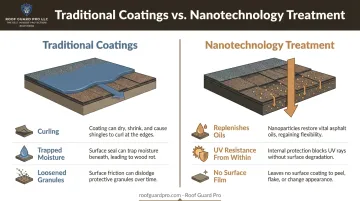
These coatings work well on low-slope and commercial roofing systems. Residential shingle roofs are a different story. The Asphalt Roofing Manufacturers Association's technical bulletin on field-applied coatings advises against applying surface coatings to installed asphalt shingles. Their concerns include:
- Shingle curling or cupping from coating shrinkage
- Loosened granules
- Trapped moisture beneath a sealed surface
- Possible changes to fire rating, algae resistance, or manufacturer coverage
That guidance is aimed at surface-film coatings that sit on top of the shingle. It's a big reason why coatings tend to stay in the commercial and flat-roof world rather than residential shingle applications.
Nanotechnology Roof Treatments
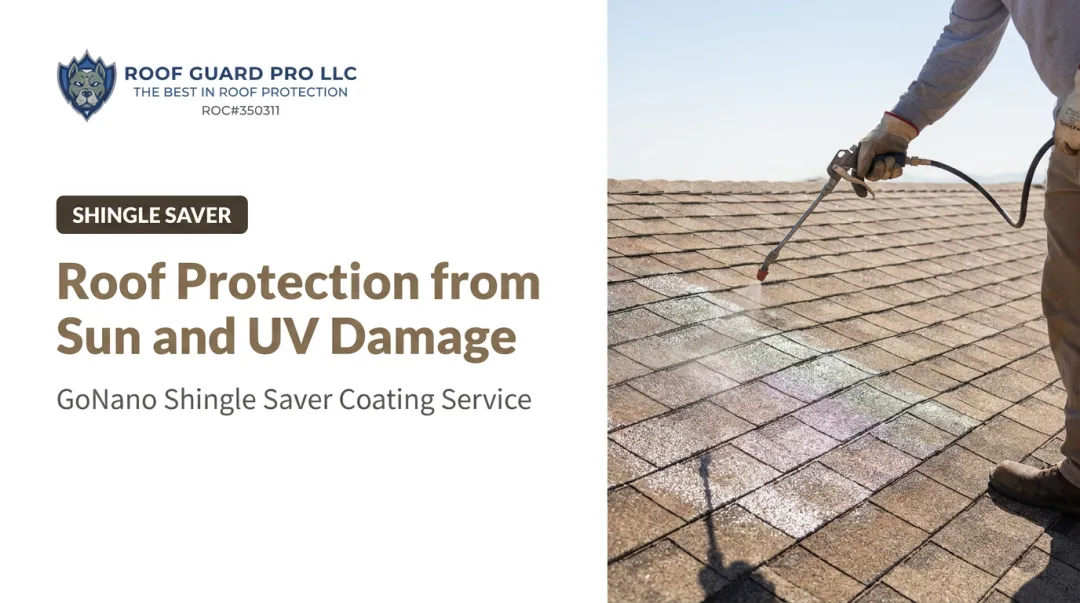
Nanotechnology-based treatments work on a different principle entirely. Instead of coating the surface, products like GoNano Shingle Saver use nanoparticles small enough to penetrate into the shingle's own pores.
Once absorbed, the treatment replenishes the natural oils shingles lose to age and heat, and adds a layer of UV resistance from within the material rather than on top of it. Because nothing is sitting on the surface, there's no glossy, painted, or varnished look. The roof keeps its original texture and color.
Other Protective Elements
A complete protection strategy usually includes more than coatings and underlayment:
- Attic ventilation: poorly ventilated attics can reach far higher temperatures than the outside air, accelerating shingle wear from underneath
- Gutters and drainage: diverting water off the roof and away from the fascia
- Impact-resistant materials: reducing damage from hail and debris
None of these replace shingle-specific treatments, but they support the overall system.
What Is a Roof Protector?
The term "roof protector" gets used two ways in the industry, and it's worth knowing both.
As a product, a roof protector refers to a liquid-applied coating, sealant, or nanotechnology treatment (such as GoNano's Shingle Saver) engineered to bond with roofing material. Applicators spray or brush these products onto the roof, adding resistance against water, UV rays, and everyday wear.
As a service provider, a roof protector is the licensed contractor who applies these treatments. Certified applicators, such as Roof Guard Pro (Arizona ROC# 350311), inspect the roof first, then recommend the right approach and apply it under the manufacturer's warranty standards.
That second definition matters more than it sounds. Anyone can buy a coating product. Not everyone can properly assess whether a specific roof is even a good candidate for treatment, or apply it correctly enough to keep a manufacturer warranty intact.
A qualified applicator will typically look for two things before recommending treatment:
- Whether the shingles still hold structural integrity, or whether they've already curled, lifted, or lost their granular coating
- The root cause behind the roof's condition: lost oils and UV wear, which treatment can address, versus physical failure, which it can't
Why Roof Protection Matters: Benefits & Warning Signs
The appeal of roof protection comes down to math and timing. Done at the right stage, it saves real money and buys real years.
Core benefits include:
- Extended usable roof life without a full tear-off
- Lowered overall costs compared to full replacement
- Reduced risk of water intrusion and interior damage
- Preserved curb appeal, since many treatments don't change the roof's look
The Cost Gap Is Substantial
Full roof replacement in the Phoenix area runs an average of $8,856, with typical bids between $6,273 and $11,694, according to Angi's 2026 Phoenix roofing cost data. Larger roofs, premium materials, or complex layouts can push costs well beyond $40,000. Protective treatments cost a fraction of any of those figures.
Warning Signs Worth Watching
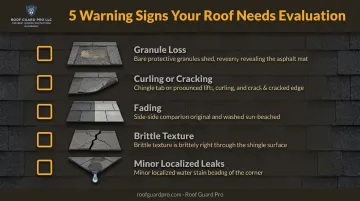
A roof doesn't need to look brand new to be a good candidate for protection. But certain signs suggest it's time to get it evaluated:
- Granule loss creating visible bare patches
- Curling or cracking at shingle edges
- Fading beyond normal weathering
- Brittle texture that flexes poorly
- Minor, localized leaks without widespread damage
A professional inspection is the only reliable way to tell whether a roof still has enough structural integrity to benefit from protection. If it's past that point, replacement becomes the better option.
The same logic extends beyond the roof. Concrete driveways, patios, and exterior wood surfaces face similar UV, moisture, and wear damage, and can benefit from comparable nanotechnology-based protection, such as GoNano Concrete Saver and Wood Saver treatments.
How Roof Guard Pro Protects Arizona Roofs
Roof Guard Pro applies GoNano Shingle Saver, a certified nanotechnology treatment built specifically for shingled roofs that still have structural integrity but have lost their protective oils and UV resistance.
The process starts with a free onsite estimate and inspection, an honest look at whether a roof is a good candidate rather than a sales pitch.
Shingles that have already curled, lifted, or lost their granular structure aren't good candidates. Roof Guard Pro says so upfront instead of applying a treatment that won't hold up.
Roofs that qualify typically fall in the 12- to 20-plus-year age range, still structurally sound but showing wear from lost oils and sun exposure. For these roofs, treatment can:
- Replenish lost shingle oils
- Add renewed UV protection
- Extend usable roof life by an estimated 10 to 15 years
Every application is backed by a 10-year GoNano manufacturer warranty, included at no extra charge.
Beyond roofs, Roof Guard Pro applies the same nanotechnology approach to Concrete Saver and Wood Saver treatments, giving Phoenix East Valley homeowners, HOAs, and property managers a way to protect driveways, patios, pool decks, decks, and fences.
These treatments address different problems:
- Concrete Saver guards against oil, grease, hard water, and rust staining while preserving the surface's slip rating
- Wood Saver repels water, UV, mold, and mildew, cutting down on pressure washing and re-staining cycles
For homeowners in Mesa, Chandler, Gilbert, Scottsdale, or Tempe wondering whether their roof needs replacing or just needs saving, a free inspection answers that question directly.
Frequently Asked Questions
What are the different types of roof protection?
Roof protection includes built-in elements like underlayment and flashing, traditional surface coatings such as acrylic and silicone, and nanotechnology treatments that penetrate the shingle material rather than sitting on top of it.
What is a roof protector?
"Roof protector" can mean the physical product applied to a roof, like a coating or nanotechnology treatment, or the licensed professional who applies it and stands behind the work.
How long does roof protection treatment last?
Lifespan varies by product type. Nanotechnology shingle treatments like GoNano Shingle Saver are typically backed by a 10-year manufacturer warranty and can extend usable roof life by 10 to 15 years.
Is roof protection worth the cost compared to a new roof?
Protection treatments cost a fraction of full replacement, which can run $10,000 to $40,000-plus in the Phoenix area. It's worth pursuing when the roof is still structurally sound.
Can roof protection replace the need for a new roof entirely?
Not always. Protection works best on roofs that still have structural integrity. Severely curled, lifted, or granule-depleted shingles have gone past the point treatment can help.
How do I know if my roof needs protection or a full replacement?
A professional inspection is the fastest way to find out. It checks shingle condition, granule loss, and structural soundness before recommending protection or replacement.